🌿 I came here with nothing.
No fixed idea, no predefined solution, not even a clear direction—just a mindset to explore the community and, in many ways, explore myself.
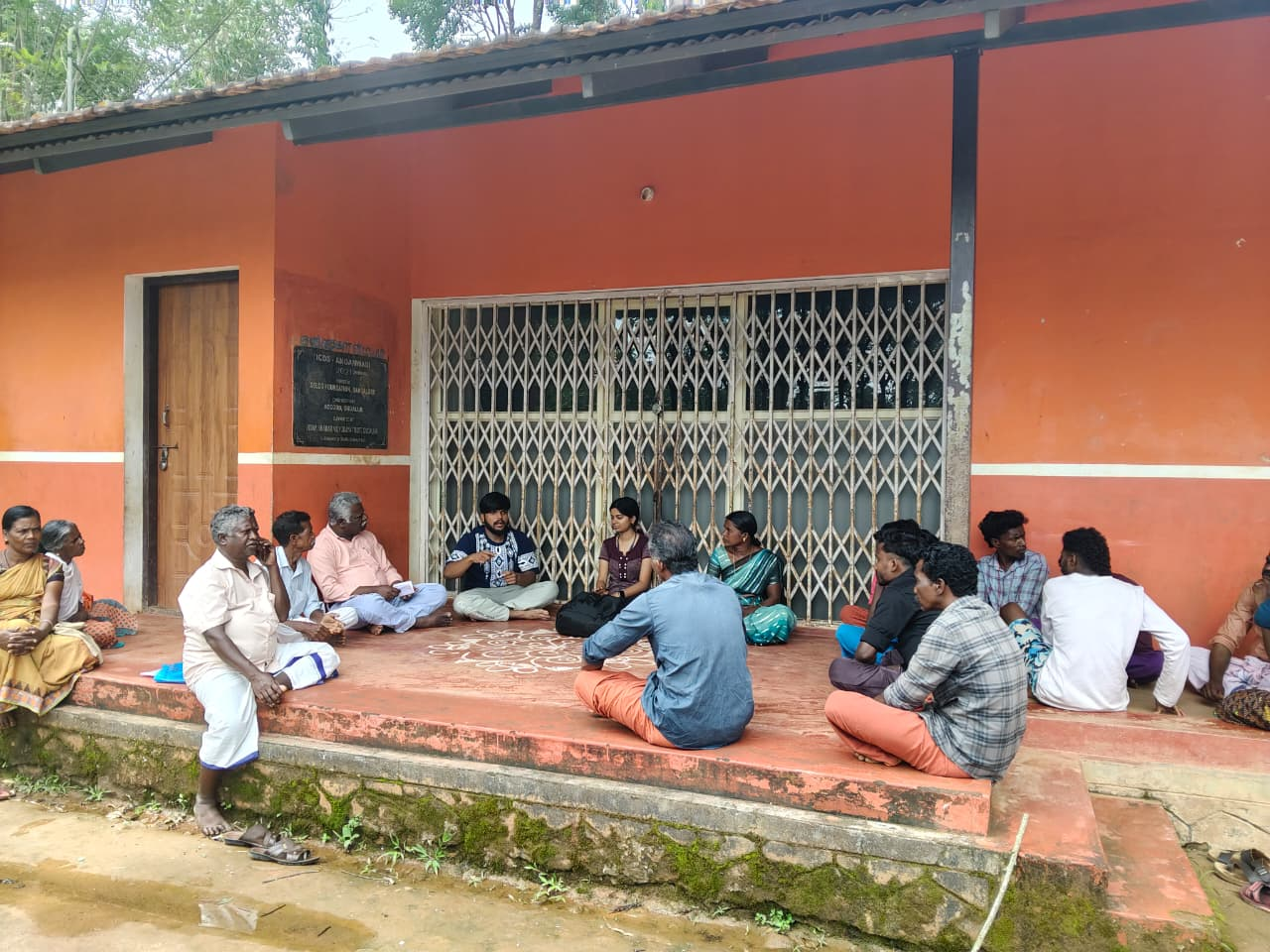
As an SBI Youth for India Fellow in the Nilgiris, I didn’t begin this journey with a project plan. I began with observation.
In the initial days, I tried to understand the community through five important dimensions:
economy, health, education, socio-cultural life, and the political ecosystem—especially how government schemes actually reach the village.
This helped me see the community not just as a place, but as a living system.
- Economically, there was strong dependence on tea, coffee, and pepper
- Health showed both access challenges and awareness gaps
- Education reflected aspiration but also limitations
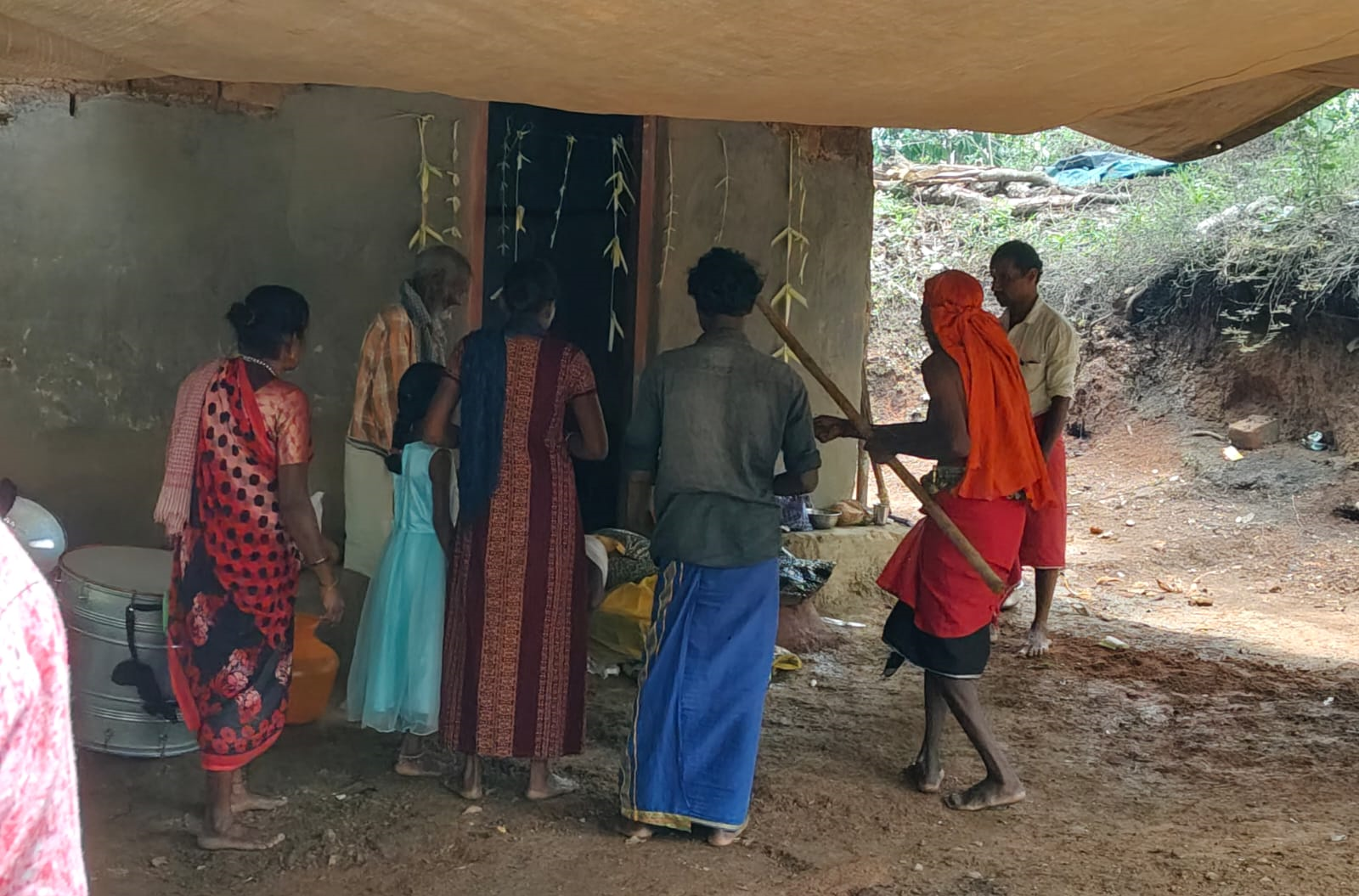
- Socio-culturally, the community was rich in tradition and identity
- Politically, there was a visible gap between schemes on paper and their ground implementation
I wasn’t looking for problems to solve—I was trying to understand reality.
🌱 The Shift in Understanding
As I spent more time with the community, one thing became very clear—everything was deeply rooted in the economy and limited resources.
Most community members are farmers, and their lives are closely connected to land, seasons, and natural cycles. Their skills, routines, and decisions are shaped by this system.
This made me realize something important:
Any intervention cannot just be introduced.
It has to fit into their existing life cycle.
It was not just about identifying income opportunities, but understanding:
- What are people interested in?
- What skills do they already have?
- What can be done without disturbing their current way of life?
Because if a solution disrupts their rhythm, it won’t sustain.
This shifted my approach—from bringing ideas to the community to building ideas with the community, by combining existing skills with new opportunities.
🌱 The Search for Alternatives
Instead of jumping to solutions, we explored different livelihood options together—banana, ginger, goat rearing, vegetable gardens.
But then came a realization.
The community already had a relationship with honey—not commercially, but through traditional knowledge.
That’s when the idea of working with Dammer Bees emerged.
It didn’t feel like introducing something new.
It felt like rediscovering something that already existed.
🐝 Beginning the Journey
We started small—with a few households, bamboo-based honey boxes, and curiosity.
There were doubts:
- Would it work?
- Would the bees stay?
- Would it generate income?
But with time, patience, and continuous engagement, confidence started building.
This was not just about honey boxes—it was about trust.
🌿 More Than Just Honey
Over time, I realized this was never just about honey production.
It became a way to:
- Create additional income opportunities
- Reduce dependency on a single livelihood
- Encourage community participation
- Reconnect with local ecological knowledge
We also began exploring vegetable gardening as another step toward resilience.
📖 Stories Behind the Hills
One of the most meaningful parts of this journey has been listening to stories.
Every household carries knowledge, experience, and wisdom. This made me understand that development is not just about solutions—it is about people, identity, and voice. :contentReference[oaicite:0]
🚶♂️ The Journey So Far
The journey is still ongoing.
There are small wins, challenges, and constant learning.
But one thing is clear:
This is not something I am doing for the community.
This is something we are building together.
🌄 Looking Ahead
The vision is simple:
To create a system where households have multiple income sources, where traditional knowledge is respected, and where development grows from within.
For me, this journey has been more than just a project.
It has been a journey of understanding, unlearning, and discovering both the community—and myself.
⚠️ Copyright & Usage Notice
© 2026 Sudeep Bhagat. All Rights Reserved.
🚫 This content is based on field experience and original work. Unauthorized copying or reuse without permission is not allowed.
✅ Proper credit is required for reference or sharing.